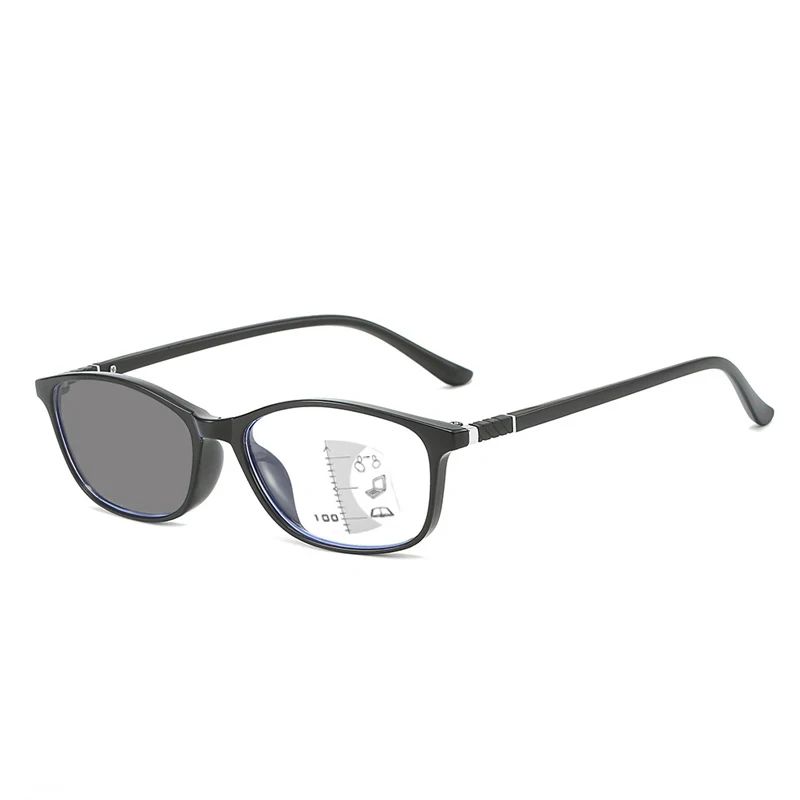
I understand the situation. You're in the market for a new pair of lightweight reading glasses. You want something reliable, but you're also trying to be budget-conscious. I've been there myself. In my search for a good deal, I made several significant errors that cost me both time and money. I'm sharing these missteps so you can avoid them. Learn from my experience to find quality glasses, like the Mozaer Smart Photochromic Multifocal Reading Glasses, without the frustration.
Here’s what you'll gain by learning from my errors:
My first major mistake was always choosing the absolute cheapest pair of lightweight reading glasses I could find. I was drawn to prices that seemed too good to be true—and they usually were. I thought I was being savvy, but I was actually setting myself up for disappointment.
Extremely low-priced glasses often mean extremely low quality. The frames tend to bend easily, and the lenses scratch quickly or fail to provide clear vision. Sometimes, the seller isn't even legitimate. You might come across an incredible deal, proceed to purchase, and then discover the entire operation is a scam.
Verdict: Don't repeat my error. A cheap price often conceals bigger issues. It's wiser to invest a bit more in a product that actually lasts and comes from a reputable seller.
When I focused solely on price, I completely overlooked important signs of quality. I didn't consider what actually makes a good pair of reading glasses, mistakenly assuming they were all the same. This was a critical oversight.
For lightweight reading glasses, you need to look beyond the product image. Consider the materials used for the frame. Are they both strong and light? What about the lenses? Are they truly multifocal and photochromic, meaning they adjust tint in sunlight? Is the vision clear? Does the product description explicitly state these features? If such details are missing, consider it a warning sign.
Verdict: Always examine the product specifications. Look for mentions of durable, lightweight frames and high-quality, clear lenses with the features you need. If the information isn't provided, look elsewhere.
This is where I really went wrong. I'd see a product, like a stylish pair of small square color-changing eyeglasses, get excited, and add it to my cart without a second thought. This approach consistently led to frustrating outcomes.
On one occasion, I purchased from a seller that appeared fine—the price was right, and the pictures looked good. Had I simply checked the seller's reviews, I would have seen red flags. I might have encountered real user feedback like: "Place doesn’t exist by this adress". This indicated the seller was likely fake or unreliable. These are the kinds of problems you encounter when you don't take a moment to see what other customers are saying.
Verdict: Always, without exception, check the reviews for both the product and the seller. Look for genuine comments about shipping, product quality, and seller reliability. If there are no reviews or many negative ones, steer clear.