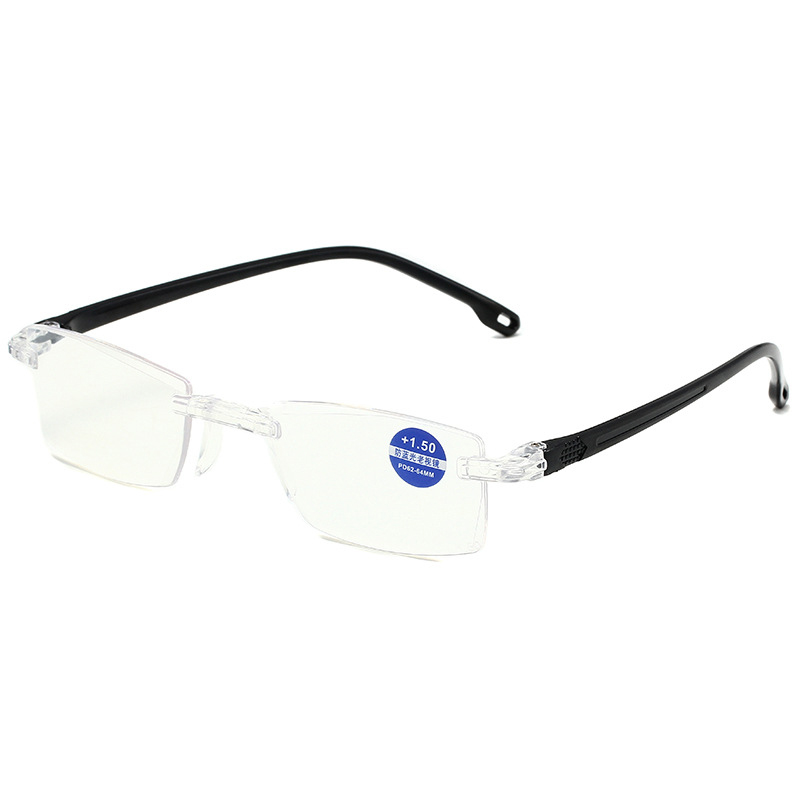
Have you ever bought reading glasses that fell apart too quickly or never felt quite right? I know the feeling. For years, I simply grabbed the least expensive pair I could find, convinced all reading glasses were essentially the same. How wrong I was!
This is the story of my transition from flimsy, budget glasses to a pair I truly love. Along the way, I discovered what separates good reading glasses from bad ones and how a seamless online shopping experience—including a reading glasses online try on feature—can make all the difference. My eyes (and my bank account) are far happier now, and yours can be too.
My initial foray was all about price. Needing glasses in a hurry, I spotted a pair at a discount store for just a few dollars. On the rack, they looked fine. "Why pay more?" I thought.
That was a huge error. Those glasses might have lasted a few weeks. The frames were made of thin, brittle plastic that seemed ready to snap at any moment. The lenses weren't truly clear, often producing a strange glare that made my eyes feel tired after just a short reading session.
Here’s what typically plagues ultra-cheap glasses:
I quickly learned that "super cheap" almost always translates to "low quality." You might save a few dollars initially, but you end up replacing them constantly, which costs more over time and is incredibly frustrating.
Verdict: Avoid the absolute cheapest options. They create more problems than they solve.
After my bargain glasses broke, I resolved to do better. I upgraded slightly, spending about $20-$30 on a pair from another online retailer. They weren't the cheapest, but they weren't high-end either. The result was... merely okay.
This mid-tier pair was a minor improvement. The frames felt somewhat sturdier and didn't break within two weeks. The lenses were clearer, allowing me to read for longer with less strain. However, they were still fundamentally basic and unremarkable.
Common shortcomings of mid-range glasses include: